Which RFID Chip for Which Application
Choosing the right RFID chip and tag is the single most important technical decision in a project. This chapter maps common applications to frequency, tag type and example chips, lists the questions to ask before you choose, and highlights mistakes that cost projects time and money.
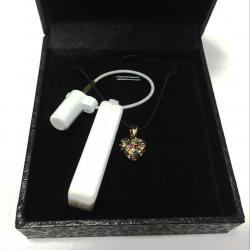
- Start from the application - range, item material, reader type and security - then choose frequency, tag form and chip.
- UHF EPC Gen2 suits high-volume, long-range inventory; HF/NFC suits short-range, secure and smartphone use; LF suits animals and harsh environments.
- The tag form factor (label, on-metal, laundry, wristband, windshield) matters as much as the chip.
- For security, choose chips with real cryptography (AES-128) instead of relying on a readable serial number.
- Always test shortlisted tags on your actual items in your actual environment before ordering in volume.
Start with the application, not the chip
A common question to RFID suppliers is "Which is the best chip?" There is no single best chip - only the best chip for a given job. A chip that is ideal for apparel labels may be useless on a metal server rack, and a secure NFC chip is wasted on a carton that is read once at a dock door.
The right order of decisions is:
- Define the job: what is tagged, how many items, how far away, how fast, and who or what reads it (fixed reader, handheld, smartphone).
- Choose the frequency band: LF, HF/NFC or UHF, based on range, environment and reader type. See RFID Frequencies for the physics.
- Choose the tag form: paper label, wet inlay, on-metal hard tag, laundry tag, card, wristband, windshield sticker and so on. The Types of RFID Tags chapter covers these.
- Choose the chip inside: based on memory, security, sensitivity and compatibility with your ecosystem (for example a retailer's approved list).
- Test the finished tags on real items before buying in volume.
The chip families named in this chapter are explained in RFID Chips Explained. The examples below are typical choices, not the only correct ones; many equivalent chips exist.
Application selection table
| Application | Frequency | Tag type | Chip examples | Why |
|---|---|---|---|---|
| Retail apparel and footwear | UHF (EPC Gen2) | Hang tags, care labels, sticker labels | Impinj M730/M750, NXP UCODE 8/9, Alien Higgs-10 | Fast bulk reads for stock counts; low unit cost; retailer mandates usually specify UHF |
| Warehouse cartons and pallets | UHF | Paper face labels, often printed with barcode too | Monza R6 family, M700, UCODE 8/9 | Reads at dock doors and forklifts from several metres; GS1 SSCC/SGTIN encoding |
| Jewellery | UHF | Small tail/dumbbell tags tied to each piece | Impinj M700, UCODE 9 | Counting hundreds of pieces in minutes; tag stays on the item, not the metal body |
| Library books | HF (ISO 15693) or UHF | Thin book labels | ICODE SLIX2 (HF); UCODE / Monza (UHF) | HF has the established ISO 28560 library data model; UHF chosen for faster shelf inventory |
| Pharma and anti-counterfeit | HF/NFC or UHF | Labels, tamper-evident seals | NTAG 424 DNA, ICODE DNA, UCODE DNA | Cryptographic authentication proves a pack is genuine; NFC lets consumers verify with a phone |
| Access control and cashless | HF (ISO 14443A) | PVC cards, key fobs, wristbands | MIFARE DESFire EV2/EV3 | AES-128 security, multi-application; avoid easily cloned legacy chips |
| Events and wristbands | HF/NFC, UHF or dual | Fabric, silicone or Tyvek wristbands | MIFARE Ultralight EV1, NTAG 213, DESFire (cashless); UHF chips for gates | NFC for tap entry and payments; UHF for hands-free gate counting |
| NFC marketing and product information | HF/NFC | Stickers, smart posters, embedded labels | NTAG 213/215/216; NTAG 424 DNA where authenticity matters | Every modern smartphone can read them without an app |
| Animal ID | LF 134.2 kHz (ISO 11784/11785, FDX-B) | Glass implant capsules, ear tags | EM4305, NXP HITAG family | International standard; LF works through tissue and moisture |
| Vehicles, windshield and toll | UHF | Tamper-evident windshield labels, headlamp tags | UCODE DNA, Impinj M700, Higgs family | Long-range reading of moving vehicles; FASTag in India uses UHF Gen2 windshield tags |
| Laundry and textiles | UHF (HF in some legacy systems) | Sewn or heat-sealed textile tags, silicone tags | Monza R6 family, UCODE 8/9, M700 | Withstands washing, pressing and chemicals; bulk counting of linen in bags or carts |
| IT and metal assets | UHF | On-metal labels, ABS or ceramic hard tags | Monza R6-P, M700, UCODE 8/9, Higgs-9 (where user memory is needed) | Designed to work on metal; ranges of metres for audits |
| Tyres | UHF | Rubber-encapsulated patches or tags built into the tyre | Ruggedised UHF chips from major vendors | Lifecycle tracking; ISO tyre RFID standards (ISO 20909 to 20912) define the tags and coding |
| Solar panel lamination | UHF (HF also seen) | Thin high-temperature inlays laminated inside the module | Thin UHF inlays on mainstream Gen2 chips | Survives the lamination process; permanent module traceability |
| Cold chain and sensing | UHF or HF/NFC sensor tags | Sensor labels, battery-assisted loggers | EM4325 (UHF with temperature sensor), NFC sensor/logger chips | Records temperature as well as identity |
| Document and file tracking | UHF (HF for desk-level use) | Thin paper labels on folders | Monza R6 family, UCODE 8/9 | Find files on shelves with a handheld; track movement through doorways |
Finished tags for most of these applications are available in our UHF RFID labels, NFC tags, RFID hard tags, wristbands and cards ranges.
In the real world
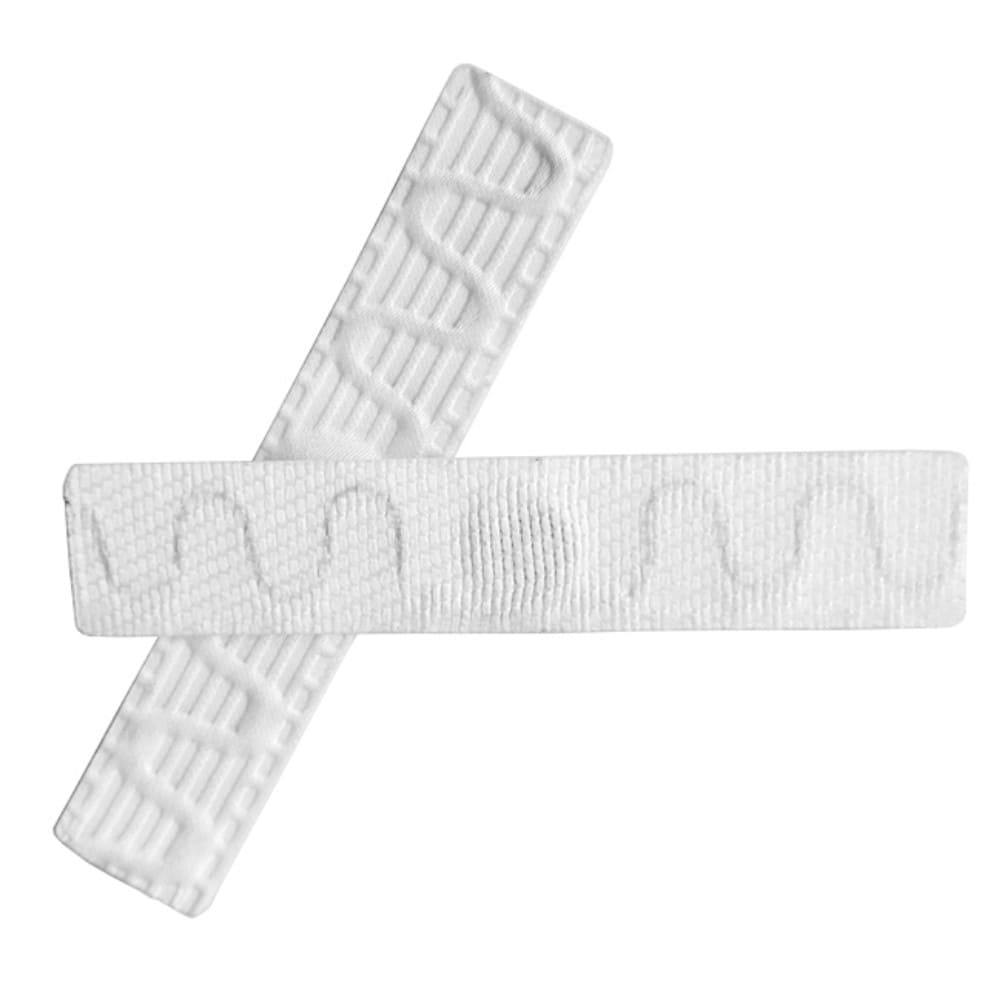
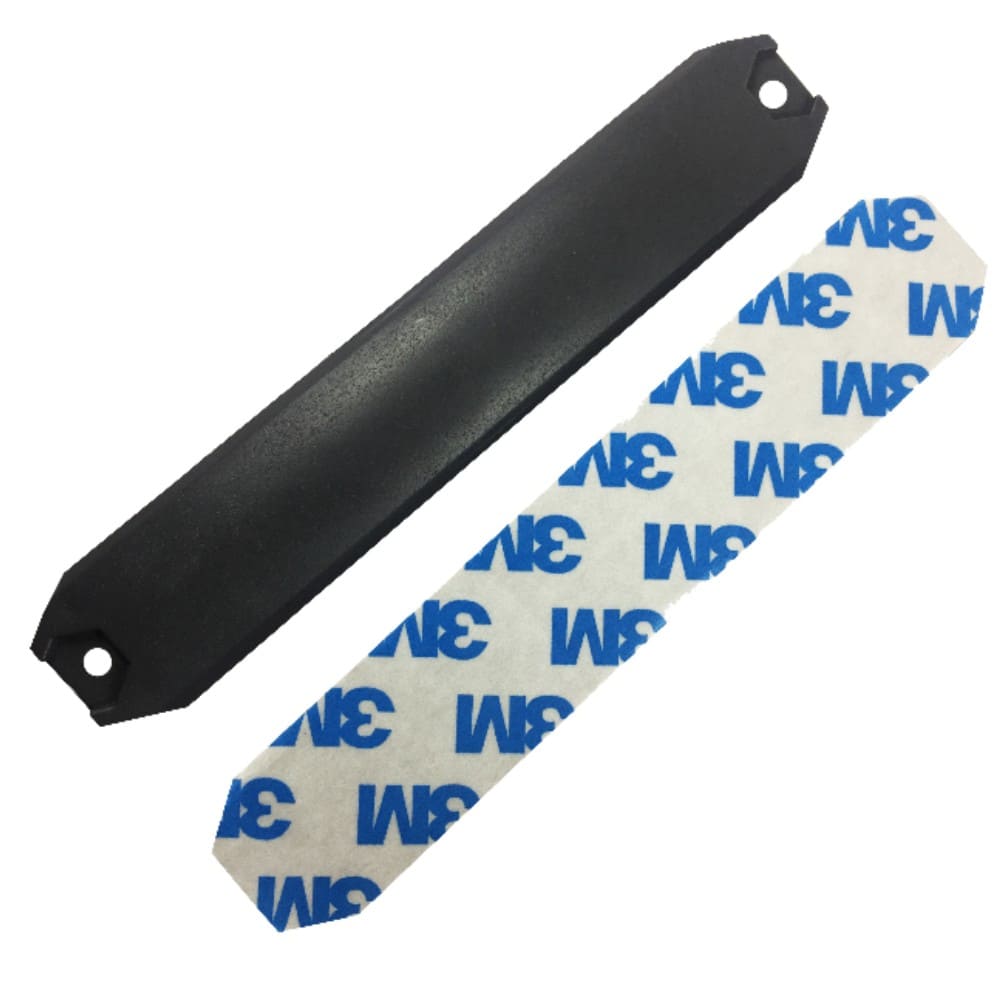
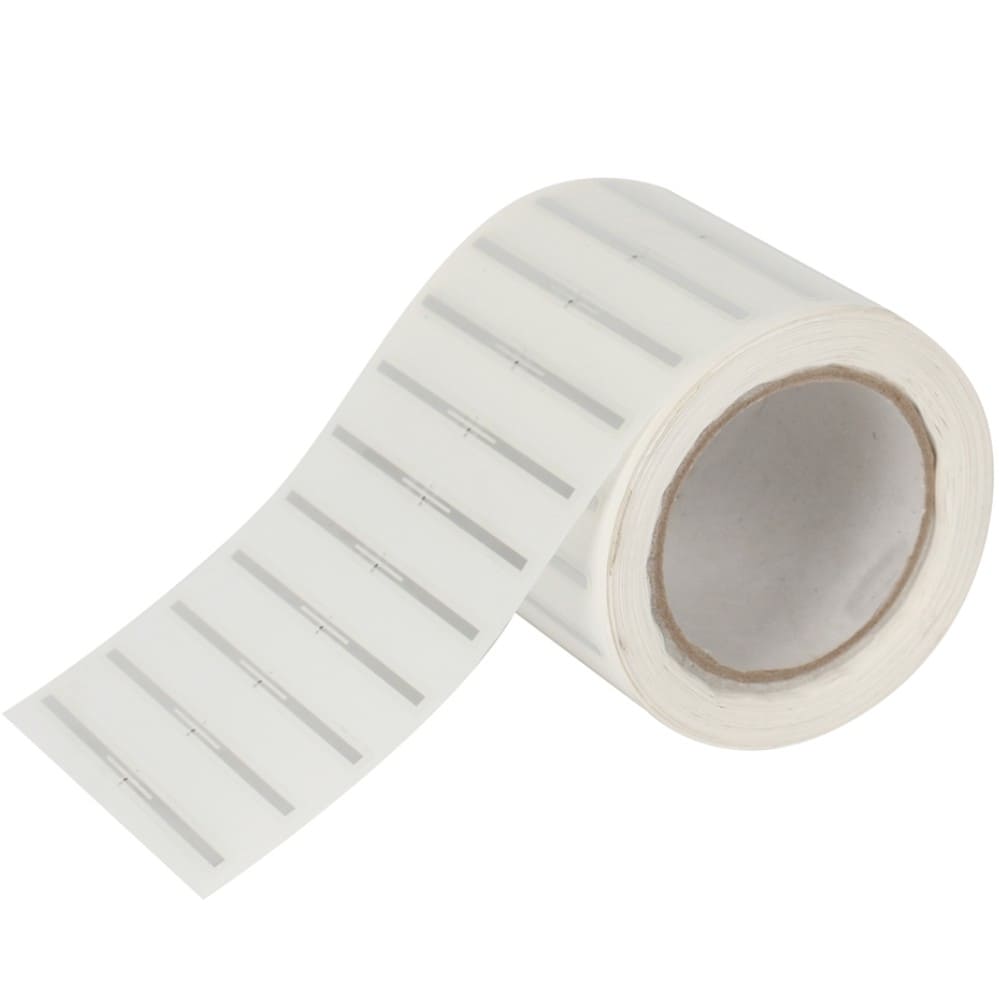
Notes on key applications
Retail and supply chain
Retail tagging is driven by volume and cost. Most retail programmes specify UHF EPC Gen2 labels with a serialised GTIN (SGTIN-96) in the EPC bank and no need for user memory. Large retailers often publish approved inlay lists and performance requirements, so check the buyer's specification first. For cartons and pallets, the EPC usually carries an SSCC so it ties into GS1 logistics standards that GS1 India also promotes.
Jewellery
Gold and silver are metals, but jewellery tags work because the small UHF tag hangs from the piece on a thread rather than sitting flat on a large metal surface. Showrooms count trays and safes with handhelds and use RFID-enabled counters for sales. Small tags have shorter range, so choose a chip with good sensitivity.
Library
Many libraries worldwide use HF ISO 15693 tags with ICODE SLIX2 and the ISO 28560 data model, which gives good self-checkout and security-gate performance. UHF is increasingly chosen for new libraries because it speeds up shelf audits. Pick one and standardise; mixing bands means duplicate reader hardware.
Pharma and brand protection
A serial number alone does not stop counterfeiters - they can copy a readable number onto a fake tag. Real authentication needs a chip that performs a cryptographic challenge-response, such as NTAG 424 DNA (consumers tap with a phone and a server validates the unique message) or UCODE DNA in the supply chain.
Animal identification
Animal ID uses LF at 134.2 kHz under ISO 11784 (code structure) and ISO 11785 (air interface). FDX-B is the dominant protocol for pets and livestock. Glass implants are injected under the skin; ear tags are used for cattle. Readers must support FDX-B, and some also read the older HDX protocol.
Vehicles and FASTag
Vehicle tags must be read at speed through windscreen glass. FASTag, India's electronic toll system, uses passive UHF EPC Gen2 windshield stickers that break if peeled off, preventing transfer between vehicles. Note that metallised or heat-reflective windscreen films can block UHF signals; headlamp-mounted tags are an alternative for such vehicles.
Laundry, tyres and solar panels
These are "hostile environment" applications. Laundry tags face high temperature, pressure from presses and harsh chemicals for hundreds of wash cycles. Tyre tags must survive vulcanisation and years of flexing. Solar module tags must survive lamination heat and then last for the life of the panel. In India, government-supported solar programmes have specified an RFID tag inside the module laminate for traceability - check the current MNRE or scheme specification for exact requirements. In all three cases, the tag supplier's qualification data (wash cycles, temperature profile, pressure) matters more than the chip name.
Questions to ask before choosing
Work through these questions with your supplier or integrator. The answers usually make the chip choice obvious.
- What is the item made of? Metal, liquids, foil packaging, carbon fibre and dense materials all affect UHF performance.
- How far is the reader? A few centimetres (tap), up to a metre (desk or gate), or several metres (dock door, ceiling)?
- How many tags must be read at once, and how fast? Bulk reading of hundreds of items favours UHF.
- Who reads the tag? Your own fixed or handheld readers, your customers' smartphones, or partner systems such as a retailer or toll operator?
- Is security required? Is it enough to identify the item, or must you prove it is genuine or control who can write data?
- How much data must be on the tag? A unique ID linked to a database is usually best. Choose user memory only when data must be available offline.
- What is the environment and lifetime? Temperature, washing, outdoor UV, chemicals, impact and expected service life.
- How will tags be applied and encoded? Printed on an RFID printer, pre-encoded by the supplier, or encoded on site?
- Which region? Tags used in India should be tuned for 865-867 MHz; export items may need global 860-960 MHz tuning.
- What volume and budget? Indicative costs range from a few rupees for simple UHF inlays in high volume to several hundred rupees or more for rugged on-metal, laundry or sensor tags.
Rules of thumb by band
- Choose UHF when you need range beyond about one metre, bulk reading, or integration with retail and logistics standards. Pay attention to metal and liquids.
- Choose HF/NFC when the read should be deliberate and close, when consumers will use smartphones, or when you need mature, certified security for cards and payments.
- Choose LF for animals, for operation very close to metal or in water, and where existing readers and standards require it.
- Consider dual-frequency tags (UHF plus NFC) when the same item must be read in the warehouse and by consumers.
Common mistakes
- Using a standard UHF label on metal or liquid-filled items. It will detune and fail. Use on-metal tags or tags designed for the material.
- Choosing a chip for its maximum memory "just in case". More memory usually means higher cost and sometimes lower sensitivity. Store data in the database.
- Treating a readable serial number as security. EM4100 cards, MIFARE Classic and plain UHF EPCs can be copied. Use AES-based chips where security matters.
- Ignoring region tuning. A tag optimised for 915 MHz may lose noticeable range at 866 MHz.
- Mixing bands without a plan. An HF library tag cannot be read by UHF gates. Decide the band for the whole system.
- Not locking tags. Leaving EPC memory unlocked with default passwords invites accidental or malicious rewriting.
- Forgetting the encoding workflow. Plan how tags will be printed and encoded - see RFID Printing & Encoding.
If you are still unsure, an independent tag selection and test exercise is one of the most valuable services in an RFID project. Our RFID consulting team can run sample tests on your items and recommend a tag shortlist with measured results.
Help India adopt this fast-growing technology - teach, consult or build projects with Indian RFID.
Frequently asked questions
Is UHF or HF better for my project?
UHF is better when you need to read many items quickly at a distance, such as cartons or garments. HF is better for short, deliberate reads, smartphone (NFC) interaction and secure cards.
Which chip is best for access control cards in India?
For new installations, an AES-based chip such as MIFARE DESFire EV2 or EV3 is the safer choice. Low-cost 125 kHz EM4100 cards and MIFARE Classic are common but easy to clone.
What RFID tag is used in FASTag?
FASTag uses a passive UHF EPC Gen2 tag in a tamper-evident windshield sticker that is designed to be destroyed if peeled off, read by UHF readers at toll plazas.
Can I use a normal UHF label on a metal asset?
No. Metal detunes a normal UHF label and it will read poorly or not at all. Use an on-metal UHF tag designed with a spacer or a metal-aware antenna.
Which frequency is used for animal microchips?
Animal identification uses LF at 134.2 kHz following ISO 11784 and ISO 11785, usually with the FDX-B protocol for companion animals and livestock.
Join the 1-month Certified RFID Specialist Program - live online. New batch 12 January 2027.