Career as an RFID Specialist
RFID sits where radio engineering, hardware, software and business processes meet, which makes it an interesting and practical career path. This chapter describes what RFID specialists do, the main job roles, the skills employers look for, and a step-by-step learning path that starts with this free Academy.
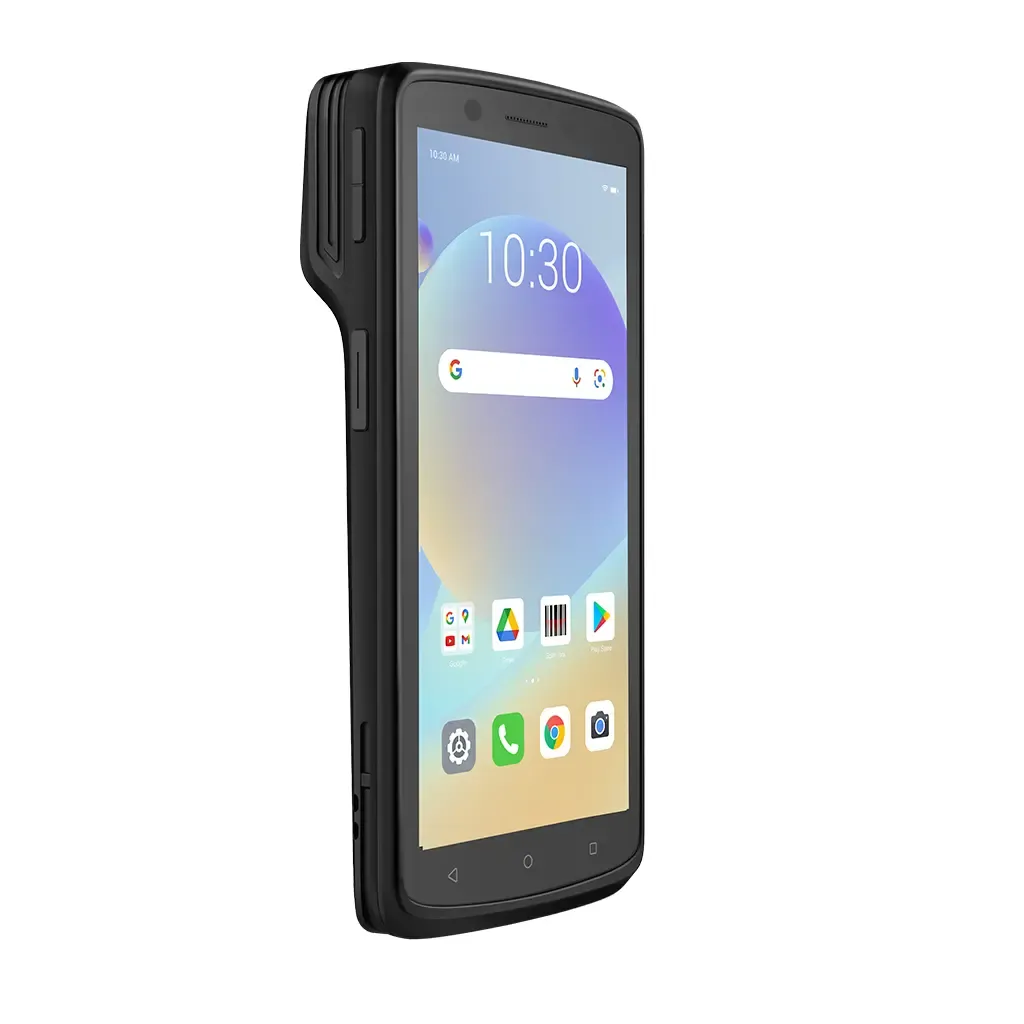
- RFID specialists design, install, integrate and support systems that identify and track items using radio tags.
- Roles range from field installation and pre-sales to software development, tag design, testing and project management.
- The core skills are RF fundamentals, standards, hardware, networking, software integration, project management and clear communication.
- A structured learning path, hands-on practice and a small project portfolio matter more than any single certificate.
- This Academy is a free path through the theory; guided hands-on training can then build practical confidence.
What RFID specialists do
An RFID specialist helps organisations use radio-frequency identification to solve real problems - knowing what stock is on the shelf, where a tool or asset is, which vehicle passed a gate, or whether every item in a shipment was packed. The work is rarely just about "making tags read". It typically includes:
- Understanding a business process and deciding whether RFID is the right tool for it.
- Choosing the frequency, tags, readers, antennas and printers that suit the environment.
- Surveying sites, testing tags on real products, and designing read points.
- Installing and tuning hardware, then integrating reads with software such as ERP, WMS or asset systems.
- Training users, supporting the system in operation and improving it over time.
Because RFID combines radio physics, electronics, networking, software and operations, people who can connect these areas are valuable. A good specialist can explain to an engineer why a tag detunes on a metal part, and to a finance manager why that matters for the project budget. If you are new to the subject, begin with What is RFID? and come back to this chapter.
Job roles in RFID
Job titles vary between companies, and in smaller firms one person may cover several roles. The table summarises the most common ones.
| Role | What the work involves | Key strengths |
|---|---|---|
| RFID solutions engineer | Designs complete systems: tag and reader selection, read-point layout, data flow and integration approach | RF knowledge, system thinking, documentation |
| Field / installation engineer | Surveys sites, mounts readers and antennas, runs cabling, configures and tunes systems, troubleshoots on site | Practical hardware skills, networking, patience, safety awareness |
| Pre-sales consultant | Understands customer needs, runs demonstrations and proof-of-concept tests, prepares solution proposals | Communication, broad product knowledge, business sense |
| RFID software developer | Builds middleware, reader integrations, mobile apps for handhelds, dashboards and ERP connectors | Programming, APIs, databases, event processing |
| Project manager | Plans and runs RFID rollouts: scope, schedule, budget, vendors, pilot and acceptance | Organisation, stakeholder management, risk control |
| Tag design / converting specialist | Works with inlays, antennas and label materials; designs tags for specific products and produces them at scale | Antenna and materials knowledge, manufacturing processes |
| Quality / test engineer | Tests tags and systems, measures read performance, checks durability and compliance, writes test reports | Methodical approach, measurement skills, attention to detail |
Related roles include technical support engineers for reader and printer vendors, product managers for RFID hardware, and supply-chain or asset-management analysts who specialise in RFID-enabled processes.
Industries that need RFID skills
RFID is used across many sectors, which means skills transfer well between employers. Areas where RFID professionals commonly work include:
- Retail and apparel: item-level inventory, loss prevention and omnichannel fulfilment.
- Logistics and warehousing: pallet and carton tracking, dock-door verification, returnable containers.
- Manufacturing and automotive: work-in-progress tracking, tool and die management, parts traceability.
- Healthcare and pharmaceuticals: asset tracking, specimen and medication management, patient wristbands.
- Libraries, education and offices: self-service, asset registers, access control.
- Transport and tolling: vehicle identification, including electronic toll collection such as FASTag in India.
- Events, hospitality and sports: wristbands, ticketing, race timing.
- Government and defence: asset, document and equipment management.
Employers include system integrators, hardware manufacturers and distributors, label converters, software companies, consulting firms and end-user organisations running their own RFID systems. The RFID applications chapter shows how these sectors use the technology.
Skills you need
RF fundamentals
You do not need to be an RF design engineer for most roles, but you must understand frequency, wavelength, power in dBm, antenna gain and polarisation, near field and far field, reflection and absorption, and why metal and water affect tags. These explain most real-world read problems.
Standards and data
Know the main air-interface standards - EPC Gen2 / ISO/IEC 18000-63 for UHF, ISO/IEC 14443 and 15693 for HF, and ISO 11784/11785 for animal LF - and the EPC data structures used to encode tags. Understand regional regulations, including the 865-867 MHz UHF band in India regulated by WPC. The RFID standards chapter is the place to start.
Hardware
Be comfortable with fixed and handheld readers, antennas, cables and connectors, printers, and the many tag types. Practical skills - mounting, cable routing, configuring reader settings such as power, session and search mode - are what field engineers use every day.
Networking
Readers are network devices. Learn IP addressing, subnets, DHCP, VLAN basics, PoE, Wi-Fi, and basic firewall concepts, plus how to diagnose a device that is not reachable.
Software and integration
Even non-developers should understand how read events flow from readers through middleware to business systems: filtering duplicates, turning raw reads into business events, and APIs such as REST and MQTT. Developers additionally need a programming language, SQL, and familiarity with reader SDKs and mobile development for handhelds.
Project management
RFID projects involve hardware lead times, site work, IT changes and process change. Planning, risk management, pilot design and acceptance testing are valuable skills at every level.
Communication
Specialists must explain technical limits honestly, write clear survey and test reports, train users and listen to operations staff. Many projects succeed or fail on communication rather than technology.
Learning path: beginner to advanced
The chapters of this Academy form a free, structured path through the theory. Work through them in order and test yourself with the RFID quiz as you go.
Stage 1: Beginner - understand the basics
- Module 1 (fundamentals): what RFID is, how it works, and the components of a system.
- Module 2 (tags, chips and frequencies): LF, HF, UHF and microwave; tag types; chips; antennas and inlays.
- Hands-on: read and write NFC tags with a smartphone; inspect inlays to see chip and antenna.
Stage 2: Intermediate - readers, standards and applications
- Module 3: readers, read range, standards, EPC encoding and memory, middleware.
- Module 4: applications, who can use RFID, advantages and limits, comparison with barcode and NFC, security and privacy.
- Hands-on: configure a UHF reader, experiment with power and antenna placement, encode EPCs, compare tags on different materials.
Stage 3: Advanced - implementation and professional practice
- Module 5: implementation, cost and ROI, site surveys and tag testing, printing and encoding.
- Module 6: glossary and FAQ as reference, plus this career guide.
- Hands-on: plan a complete small deployment with a survey, test report, data design and acceptance criteria; integrate reads into a simple application or database.
Certifications and training
There is no single, universally required RFID licence. Instead, several kinds of training exist:
- Vendor training from reader, printer and software manufacturers, focused on their own products and tools.
- Industry and standards bodies, which offer courses on standards, data and supply-chain use of RFID.
- Independent training providers and institutes, which run broader courses covering theory and hands-on practice across brands.
- Related certifications in networking, project management or specific software platforms, which strengthen an RFID profile.
When choosing a course, look at how much time is spent with real equipment, whether it is vendor-neutral, who the trainers are and what practical work you complete. A certificate shows you have studied; a portfolio and the ability to troubleshoot show you can do the job.
Building a portfolio
A portfolio of small, well-documented projects is one of the best ways to show employers what you can do. Ideas, in rough order of difficulty:
- NFC smart poster or business card: encode URLs and contact records on NFC tags and document the NDEF formats used.
- NFC attendance or check-in log: a phone app or web page that records tag taps with timestamps.
- Tag comparison study: test several UHF tags on cardboard, plastic, glass of water and metal, and present the results as a mini test report.
- Home or lab inventory: tag a shelf of items and use a UHF reader to produce a live count, with duplicate filtering.
- Doorway portal mock-up: two antennas on stands, direction detection and stray-read filtering, connected to a simple database.
- Integration demo: push read events through MQTT or a REST API into a dashboard or spreadsheet.
For each project, write up the goal, hardware, configuration, problems encountered, how you solved them and what you would do differently. Photographs, diagrams and short videos help. Be clear about what you built yourself.
Where the Certified RFID Specialist Program fits
This Academy covers the knowledge; many learners also want guided practice on industrial hardware. Indian RFID, the RFID division of Mindware - working in barcode and RFID since 1997 - runs the Certified RFID Specialist Program, a one-month course with live online classes. It builds on the same topics as this Academy with instructor support and practical work on readers, tags, printers and real-world scenarios such as site surveys, tag testing and encoding.
It is one option among several. A sensible approach is to work through the free chapters first, decide which role interests you most, and then choose the training - from any provider - that best fills your gaps. Whatever route you take, steady hands-on practice and honest documentation of what you have learned will carry you furthest.
Watch & learn
Videos are from YouTube and their respective creators; they play only when you click.
Help India adopt this fast-growing technology - teach, consult or build projects with Indian RFID.
Frequently asked questions
Do I need an engineering degree to work in RFID?
A degree in electronics, telecommunications, computer science or a related field helps, especially for engineering and development roles, but it is not the only route. Many field, support and pre-sales professionals come from barcode, IT networking or operations backgrounds and learn RFID on the job and through training.
Is RFID a good career choice in India?
RFID is used in retail, logistics, manufacturing, healthcare, libraries, events and tolling such as FASTag, so there is steady demand for people who understand it. As with any specialised field, opportunities depend on your skills, location and willingness to work on real projects.
Are there official RFID certifications?
There is no single universal licence. Reader and printer manufacturers, industry bodies and training providers offer courses and certificates of varying depth. Employers usually value demonstrated hands-on skill and project experience alongside any certificate.
Which programming languages are useful for RFID software work?
Any mainstream language can be used, because readers are usually accessed through vendor SDKs, network protocols or REST and MQTT interfaces. Java, C#, Python and JavaScript are common choices, along with SQL for the databases that store read events.
How can I get hands-on RFID experience without a job?
Start with NFC using a smartphone and inexpensive tags, then work with a low-cost UHF reader or development kit if you can access one. Document small projects carefully, and consider structured training that provides access to industrial readers, printers and tags.
Join the 1-month Certified RFID Specialist Program - live online. New batch 12 January 2027.